Land for Sale Near Me: Rural Properties Gain Investor Interest
Rural properties are attracting significant investor attention as land for sale near urban areas offers promising returns. Discover prime rural land investments with strong growth potential
Quick Listen:
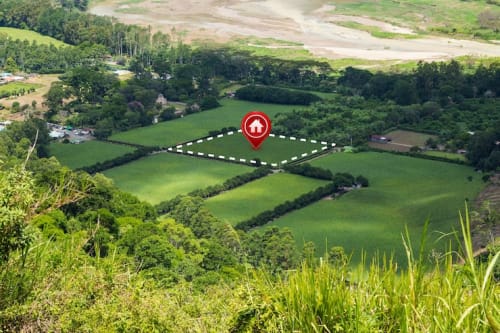
Picture a windswept field in rural Ohio, where a weathered “For Sale” sign stands against a backdrop of endless sky. A drone buzzes above, its camera feeding high-definition footage to a digital listing that pings the smartphones of investors from Seattle to Miami. This isn't just farmland anymore it's a potential solar farm, a future eco-retreat, or a hedge against urban sprawl. Rural land is surging in popularity, driven by shifting demographics, remote work, and a landmark legal shift in real estate. The Burnett v. NAR lawsuit, finalized on October 31, 2023, has dismantled traditional commission structures, creating new opportunities and challenges for buyers, sellers, and investors chasing the next big deal in America's countryside.
Home buying or selling shouldn't mean paying for services you don't use or need. Now, with new rules, you can choose exactly what you pay for. Side Door's smart match engine connects you with vetted agents offering flexible service levels, so you pay only for what you use. Keep the guidance, skip the extras, and save thousands and still get the keys in hand. Join Side Door for FREE today!
The Rural Renaissance
Rural properties, long overshadowed by urban markets, are now in the spotlight. The National Association of Realtors (NAR), with its 1.5 million members, reports a marked increase in inquiries for rural land since 2020, fueled by a post-pandemic exodus from cities. Remote work has unshackled professionals from urban hubs, while renewable energy projects think wind turbines and solar arrays have turned undeveloped parcels into investment magnets. PropTech platforms are accelerating this trend, offering tools like MLS-integrated searches, virtual tours, and drone imagery that make scouting land as easy as swiping through a phone.
These digital innovations are transformative. Mapping software pinpoints parcels with precision, revealing soil types, water access, or flood risks. Virtual tours let buyers explore remote properties without leaving home, while predictive analytics forecast long-term value. For investors, rural land offers a rare edge: lower competition than urban markets, with the potential for outsized returns as infrastructure and population growth creep outward.
A New Era for Commissions
The real estate industry was rocked by a Missouri court ruling in 2023, which held NAR and major brokerages accountable for a price-fixing scheme that inflated costs for home sellers. The lawsuit, grounded in the Sherman Antitrust Act, revealed that U.S. real estate commissions averaging 6% of a sale price were significantly higher than in countries like Canada or the UK. The verdict, handed down by Judge Stephen R. Bough, has ushered in negotiable commission structures, freeing buyers from automatically covering buyer's agent fees and giving sellers more room to haggle.
For rural land transactions, these changes are a double-edged sword. Unlike urban homes with abundant comparable sales, rural properties often lack clear benchmarks, complicating pricing and negotiations. According to a Yahoo Finance article, the new rules haven't drastically lowered costs sellers still face fees, and agents expect compensation. Yet, the flexibility to negotiate commissions, as outlined by Clever.com, empowers savvy investors to reduce expenses, particularly in high-value land deals where every percentage point matters.
From Data to Deals: Real-World Impact
Imagine an investor in Kansas City using a PropTech platform to uncover a 100-acre parcel in Iowa, priced at $5,000 per acre. By negotiating a 3.5% commission down from the standard 6% they shave $12,500 off the transaction cost. Another case: a family relocating to rural Virginia uses virtual tours to evaluate a forested lot. They split the commission with the seller, saving $4,000 at closing. Developers, too, are capitalizing on the trend. In Arizona, one group used GIS tools to identify a plot for a wind farm, leveraging zoning data to ensure compliance and profitability. These examples, drawn from platforms like those cited by US News, show how technology and negotiation are reshaping rural real estate.
PropTech is the backbone of this shift. Platforms integrate MLS data with satellite imagery, enabling buyers to assess land suitability for agriculture, development, or renewable energy. Local agents remain vital, offering insights into zoning laws or infrastructure plans that algorithms can't fully capture. The combination of digital tools and human expertise is unlocking deals that were once out of reach.
Navigating the Rural Maze
Rural land isn't without pitfalls. Financing is a persistent challenge; many lenders hesitate to back properties without immediate cash flow, like farmland or undeveloped lots. Appraisals can be inconsistent due to sparse comparable sales, leading to valuation disputes. Investors sometimes overestimate returns, banking on urban expansion or infrastructure projects that may take decades to materialize. Zoning restrictions can also derail plans build a cabin here, and you might violate local ordinances. As Realtor.com notes, not all agents are equipped to handle rural transactions, where expertise in soil quality or water rights can make or break a deal.
Market fragmentation adds complexity. Rural sales data is often spotty, making it hard to pinpoint fair prices. Buyers must lean on PropTech for data and local experts for context, ensuring they don't overpay or misjudge a property's potential. Misconceptions about commissions such as “agents now work for free” can also lead to unrealistic expectations, as Yahoo Finance warns. Clarity and due diligence are essential.
Seizing the Rural Opportunity
Despite these hurdles, rural land offers unparalleled opportunities. Lower competition in many markets means buyers can secure deals that would vanish in urban areas. PropTech tools, like those integrating land-use data and predictive analytics, empower investors to make informed choices whether evaluating a plot for a vineyard or a solar array. Niche markets are booming: eco-tourism properties, like glamping resorts in Colorado, attract urban escapees, while agricultural leases provide steady income. Renewable energy projects, driven by federal incentives, are turning marginal land into goldmines. As cities expand, rural parcels near urban fringes could see significant appreciation by 2030.
The new commission landscape amplifies these prospects. Negotiated fees can free up capital for improvements, like access roads or irrigation systems. Sellers benefit, too flexible commissions can draw more buyers in competitive markets. Clever.com offers practical negotiation tips, such as proposing flat fees or tiered commissions, to align costs with value. This post may contain affiliate links to commission calculators we recommend, ensuring transparency in any potential partnerships.
The Future of Rural Real Estate
The rural land market is poised for growth through 2026, propelled by demand for space, sustainability, and affordability. The NAR settlement has cracked open a rigid system, giving buyers and sellers more leverage in negotiations. Success, however, demands preparation: harnessing PropTech to scout properties, understanding local dynamics, and mastering commission talks. For those ready to act, the countryside offers a frontier of possibility. Fire up a search for “land for sale near me,” and let the data and the land guide you to the next big opportunity.
Frequently Asked Questions
How have new real estate commission rules affected rural land purchases?
The 2023 Burnett v. NAR lawsuit eliminated fixed 6% commission structures, allowing buyers and sellers to negotiate fees directly. For rural land deals, this flexibility can save thousands - for example, negotiating a 3.5% commission instead of 6% on a $500,000 land purchase saves $12,500. However, rural properties often lack comparable sales data, making pricing and commission negotiations more complex than urban transactions.
What technology tools help investors find and evaluate rural land for sale?
Modern PropTech platforms integrate MLS data with satellite imagery, drone footage, and GIS mapping to help investors assess rural properties remotely. These tools reveal crucial details like soil types, water access, flood risks, and zoning restrictions without requiring site visits. Virtual tours and predictive analytics also help investors evaluate long-term potential for agriculture, renewable energy projects, or development opportunities.
What are the biggest challenges when investing in rural land near me?
The main challenges include limited financing options (many lenders avoid properties without immediate cash flow), inconsistent appraisals due to sparse comparable sales, and complex zoning restrictions that can derail development plans. Additionally, market data for rural areas is often spotty, making fair pricing difficult to determine. Investors should combine PropTech tools with local expert knowledge to navigate soil quality assessments, water rights, and infrastructure considerations.
Disclaimer: The above helpful resources content contains personal opinions and experiences. The information provided is for general knowledge and does not constitute professional advice.
You may also be interested in: Side Door
Home buying or selling shouldn't mean paying for services you don't use or need. Now, with new rules, you can choose exactly what you pay for. Side Door's smart match engine connects you with vetted agents offering flexible service levels, so you pay only for what you use. Keep the guidance, skip the extras, and save thousands and still get the keys in hand. Join Side Door for FREE today!
Powered by flareAI.co